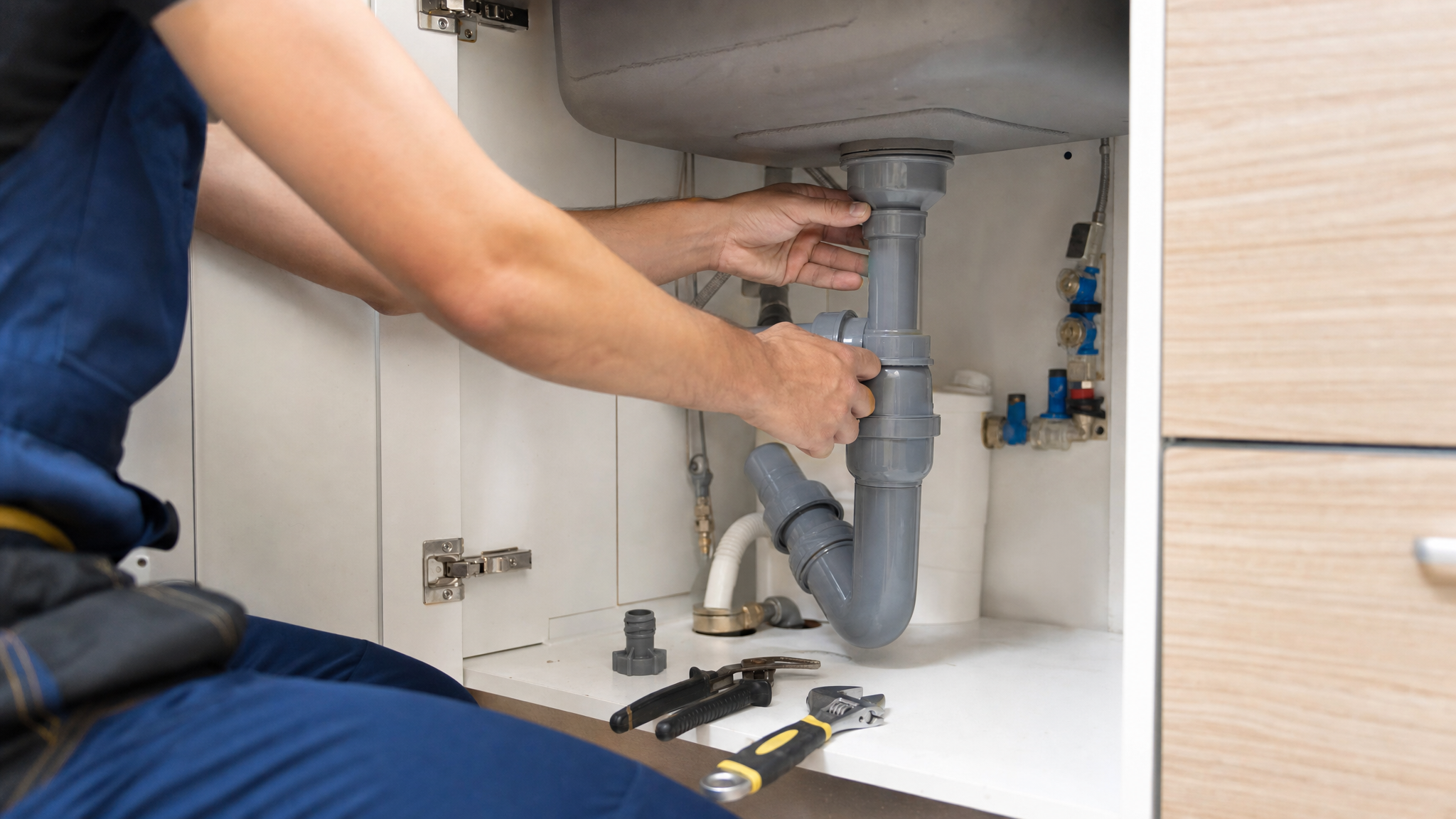
The Landlord's Duty to Repair — § 92.052
Under Texas Property Code § 92.052, a landlord must make a diligent effort to repair or remedy any condition in the dwelling that materially affects the physical health or safety of an ordinary tenant — if the tenant is current on rent and has given proper written notice.
What Conditions Must Be Repaired?
| Condition | Health/Safety? | Notes |
|---|---|---|
| No heat in winter (DFW freezes regularly) | YES | Must be repaired promptly |
| No hot water or running water | YES | Basic habitability requirement |
| Sewage backup or raw sewage | YES | Health hazard — landlord must act immediately |
| Mold from landlord-caused water intrusion | YES | Toxic air quality issue |
| Roof leak allowing water intrusion | YES | Structural and mold risk |
| No working AC (Texas summer heat) | YES | Texas courts recognize extreme heat as a health hazard |
| Broken locks or non-functioning entry doors | YES | Security device obligations — § 92.153 |
| Rodent or cockroach infestation | YES | Health hazard; Dallas/FW code violation |
| Cosmetic damage (scuffs, faded paint) | NO | Aesthetic only; not a health/safety issue |
The 7-Day Rule
After written notice, your landlord has a reasonable time to repair — 7 days is the standard baseline. After 7 days without action, your remedies activate.
Your Three Legal Remedies — § 92.056
Terminate the Lease
Walk away with no early termination penalty after proper notice procedures.
Repair & Deduct
Hire a licensed contractor. Deduct up to one month’s rent. Keep all receipts.
Sue for Damages
JP Court: rent reduction, actual damages, and attorney’s fees.
Repair-and-Deduct Details (§ 92.0561)
- Give written notice twice before using repair-and-deduct
- Deduction capped at one month’s rent
- You must not be behind on rent
- Use only licensed contractors — keep all invoices
- Can only be exercised once per 12-month period per repair issue
Step-by-Step: Enforce Your Rights
- Document the problem — Photos and video with timestamp. Note the date first observed.
- Give written notice — Text or email to landlord/property manager. Keep a copy.
- Wait 7 days — Shorter for true emergencies. Document any response.
- Give second written notice (if repair-and-deduct) — State your intent to invoke § 92.056 remedies.
- Choose your remedy — Terminate, repair-and-deduct, or sue. All can run simultaneously.
- File in JP Court if suing — Bring lease, photos, notices, contractor quotes, all correspondence.
DFW-Specific: City Code Enforcement
- Dallas Code Compliance: (214) 670-5705 — uninhabitable conditions, vermin, structural defects
- Fort Worth Code Compliance: (817) 392-1234 — substandard housing, unsafe structures
- Filing a code complaint is a protected activity under § 92.331 — retaliation is illegal
AC Failure in Texas Heat = Health Hazard
Texas courts and Dallas housing code recognize that heat exceeding 100°F — routine in DFW summers — makes a broken AC a health and safety issue, not just a comfort issue. The City of Dallas housing code specifically requires functional cooling in residential units. Document, give written notice, and invoke your remedies immediately.
Lease Waivers Are Void
Lease clauses that waive your repair rights are unenforceable under § 92.006. Your landlord cannot make you sign away habitability protections. They are void as against public policy — period.
Frequently Asked Questions
My AC has been broken for 2 weeks in July. What can I do?
Can I stop paying rent if my landlord won't repair the unit?
My landlord says the mold is my fault. Is that valid?
General informational purposes only — not legal advice. Consult a licensed Texas attorney for your specific situation.